
Estimated reading time: 4 minutes
Table of Contents
- Why Spiders Show Up When Something Else Already Has
- The Local Pests Most Likely Driving the Problem
- When a Sighting Signals an Established Population
- Which Spiders Actually Warrant Concern
- What Root Cause Treatment Actually Looks Like
You sweep away a web in the garage corner, and three days later it’s back. You spot a spider in the bathroom, then another near the kitchen sink, then one tucked behind the water heater. At some point it stops feeling like a coincidence. In our more than 40 years of combined pest control experience in the Sacramento area, we’ve found that a sudden uptick in spider sightings almost never means spiders are the problem. It means something else got there first.
Spiders are predators. They don’t eat wood, fabric, or food scraps. They eat insects. When they move into a home and stay, it’s because that home is reliably feeding them. That single fact changes what the right response actually looks like.
Why Spiders Show Up When Something Else Already Has
Spiders feed almost entirely on other arthropods: flies, ants, cockroaches, silverfish, and similar insects. A home that has become more attractive to spiders has, by definition, become more attractive to those prey species first. Spiders don’t pioneer a space and wait for prey to arrive. They follow an existing food source.
Entry points matter here too. Spiders typically get inside through the same gaps around windows, doors, vents, and foundations that other pests use. When we find spiders deep inside a structure rather than just on the exterior, it’s a strong indication that those access points are already open to multiple pest species at once.
The Local Pests Most Likely Driving the Problem
Sacramento’s climate creates conditions that favor specific insects, and those insects are the ones most likely feeding the spider population in your home.
Argentine Ant Super-Colonies
Argentine ants form massive super-colonies (networks of millions of workers connected across multiple queens) that surge into Sacramento-area homes during hot, dry summers in search of water. A steady column of ants moving through a kitchen or bathroom gives spiders a reliable, concentrated food source. Treat only the spiders and the ants remain, ready to draw the next wave.
Moisture-Driven Cockroach Activity
Cockroaches concentrate in humid areas: under kitchen appliances, inside bathroom cabinets, and in basement corners. It’s no coincidence that spiders tend to appear in those same rooms. Both are drawn to the same moisture conditions, and once cockroaches are established, they become prey.
Rodents & the Fall Shift
The same seasonal cue that pushes mice and rats into garages and attics as fall rains begin also drives spiders indoors. When we respond to a fall spider complaint and find rodent activity in the same structure, we’re looking at two symptoms of one underlying problem: the building’s perimeter has gaps, and multiple species know it.
When a Sighting Signals an Established Population
Not every spider in a house means an infestation is underway. A single wandering spider is different from a reproducing population. These signs point toward the latter.
Three signals that indicate more than a visitor:
- Multiple egg sacs: A single egg sac can contain dozens to several hundred spiderlings depending on the species. Finding more than one means reproduction is already underway, and the population will grow regardless of how many adults you remove.
- Webs rebuilding in the same location: A web that reappears within a few days of being cleared (in the same garage corner, crawl space access point, or window frame) indicates an active resident rather than a passing visitor.
- Spiders alongside other pest evidence: Ant trails in the kitchen, termite mud tubes along the foundation, or rodent droppings in the attic alongside spider activity all point to conditions that are already well established in the structure.
Which Spiders Actually Warrant Concern
A lot of the anxiety around spider sightings in California centers on the wrong species. It’s worth being direct about where the actual risks lie.
The Brown Recluse Myth
The brown recluse has never established a breeding population in California. UC Riverside spider researcher Rick Vetter spent more than two decades documenting this, and his findings are unambiguous: there are no brown recluse spiders living in California. Rare confirmed specimens have always been traced to a recent move or shipment from the Midwest. The vast majority of suspected brown recluse bites in California are misdiagnoses (other skin conditions, infections, or bites from entirely different species). If you’ve found a brown spider in your home, it almost certainly isn’t a brown recluse, and the treatment approach depends on what it actually is.
The Western Black Widow
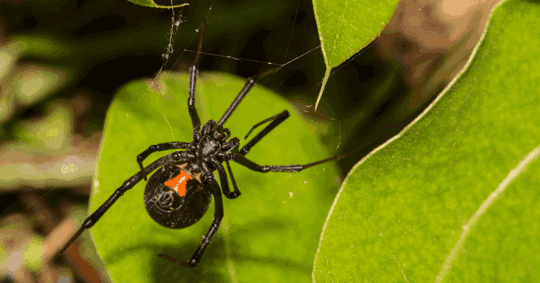
The spider genuinely worth caution in the Sacramento Valley is the western black widow. It’s common in garages, woodpiles, and utility meter boxes, and its bite can produce systemic symptoms that warrant medical attention. Black widows aren’t aggressive, but they will bite when disturbed, which makes them a real concern in spaces where people reach into dark corners without looking first.
Other Species Worth Knowing
The yellow sac spider and the desert recluse, occasionally found in drier parts of California, can produce bites sometimes mistaken for brown recluse symptoms. Correct identification matters before any treatment decision, because knowing what species is actually present shapes what we look for in terms of the underlying insect activity driving it.
What Root Cause Treatment Actually Looks Like
A spray-and-hope approach (targeting visible spiders without addressing what’s feeding them) tends to produce results that last about as long as it takes for the next generation of insects to replenish the food supply. We’ve seen homeowners go through that cycle two or three times before calling us.
Our approach at Pest Pros Pest Solutions starts from a simple premise: treating the spiders alone doesn’t work if the conditions that attracted them are still in place. That means identifying which pest species are active, where they’re entering the structure, and what environmental factors (moisture issues, food sources, harborage points) are sustaining them. Tools like pest barriers and termite bait stations are part of how we work toward long-term results rather than short-term knockdown. We use commercial-grade products that handle large-scale, entrenched infestations that over-the-counter sprays don’t resolve, and our team stays current on integrated pest management methods so our treatments account for the safety of Northern California homes, pets, and families, not just the immediate target pest.
If you’re seeing the signs described here, we offer same-day service when you reach us before noon. Give us a call at (916) 588-9345 and we’ll find out what’s actually going on.